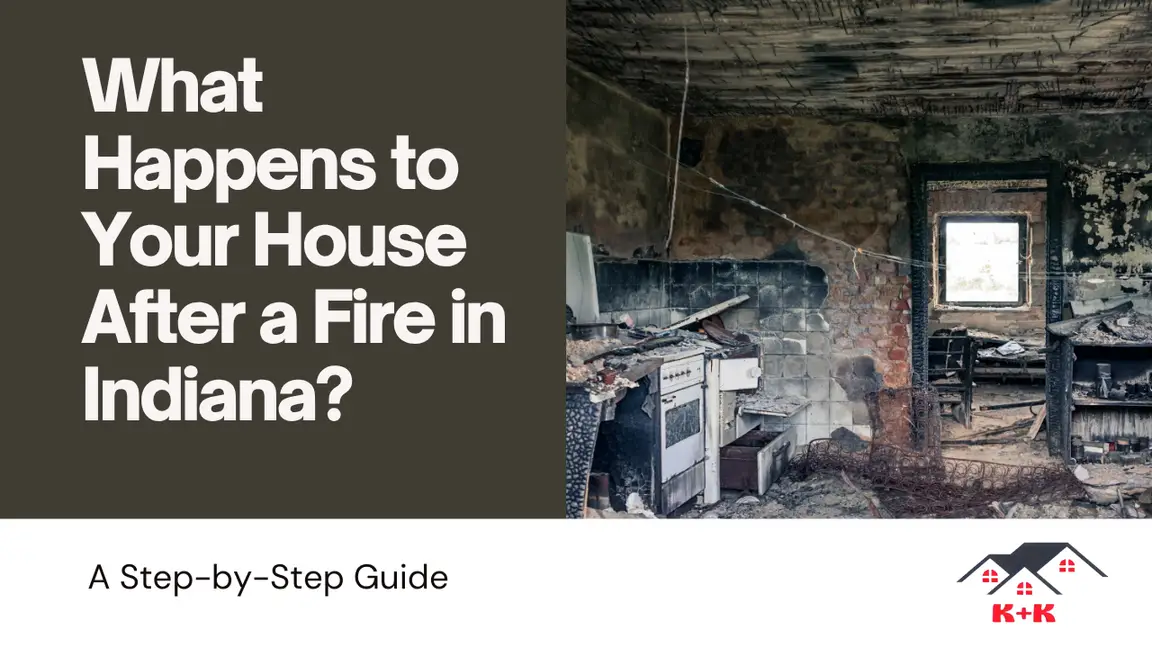

TL;DR: After a house fire in Indiana, prioritize safety, notify your insurer, document the damage, and determine the full repair scope before deciding what to do with the property. You do not necessarily have to rebuild before selling. If you are considering an as-is sale, the property’s condition, insurance situation, mortgage, title, and your timeline all matter.
A house fire can turn a normal day into a completely different life overnight. Once the firefighters leave and the immediate danger is over, you are left with a long list of questions. Is the house safe to enter? What happens with insurance? What can be saved? What needs to be removed? Should you repair the property? What happens to your mortgage? And if you do not want to rebuild, can you sell the house as it is?
There is no single answer for every Indiana homeowner. The condition of the property, your insurance coverage, mortgage, finances, and personal plans all matter. What you can do is take the next step one at a time.
1. Do Not Go Back Inside Until You Know It Is Safe
The first priority is safety, not the house. The American Red Cross advises people to stay out of fire-damaged homes until local fire authorities say it is safe to re-enter. A damaged structure can contain hazards that are not obvious from the outside, including structural instability, damaged utilities, and broken glass.
Do not assume that because the flames are out, the property is safe. A house can look relatively intact from the street while still having serious structural or electrical damage inside.
2. Contact Your Insurance Company
Your next step should generally be contacting your insurance company or agent and asking what they need from you. The Indiana Department of Insurance recommends notifying the insurer as soon as possible, keeping records of communications, photographing or recording damage, and keeping damaged property available for inspection when possible. It also advises homeowners to understand their policy and ask questions about the claim.
Your policy may also provide coverage for additional living expenses if the damage makes the home temporarily uninhabitable. Do not assume every fire loss works the same way. Your actual policy controls.
3. Document the Damage
Before throwing things away or beginning major cleanup, document what happened. Take photos and video when it is safe to do so.
- Fire damage
- Smoke and soot damage
- Water damage from firefighting
- Damaged appliances
- Damaged flooring and walls
- Roof damage
- Structural concerns
- Personal belongings
- Temporary repairs
- Cleanup expenses
The Indiana Department of Insurance specifically recommends documenting damage and keeping receipts related to temporary repairs. It also advises homeowners not to make permanent repairs before the insurance company has inspected the damage because doing so can complicate a claim. The Indiana Department of Insurance specifically recommends Indiana Department of Insurance’s insurance claim guidance for documenting damage and handling temporary repairs.
4. Understand That Fire Damage Is Not Always Just Fire Damage
This is one of the things homeowners sometimes discover the hard way. A house does not have to be completely burned down to have major damage. There may be several layers to the loss.
Fire damage
This can include burned framing, drywall, flooring, cabinets, roofing, doors, windows, and other components.
Smoke and soot damage
Smoke can spread beyond the room where the fire started and affect surfaces, contents, and parts of the house that were not directly burned.
Water damage
Firefighters may use large quantities of water to extinguish a fire. That water can create another repair problem.
Structural damage
Heat and fire can compromise structural components even when parts of the building appear intact.
Electrical and mechanical damage
Electrical wiring, HVAC equipment, plumbing, and other systems may need inspection or replacement.
That is why looking at a fire-damaged house is not as simple as estimating the cost of repainting a few rooms.
5. Find Out What Can Actually Be Repaired
Once the property has been cleared for evaluation, you will want to understand what restoration would involve.
- Removing damaged materials
- Drying water-damaged areas
- Smoke and soot cleaning
- Structural repairs
- Electrical work
- Plumbing work
- Roof repairs
- Replacing flooring
- Rebuilding kitchens or bathrooms
- Mold remediation
- Interior reconstruction
Get professional estimates where appropriate. The goal is not to collect a giant stack of quotes just for the sake of it. You want enough information to understand what you are actually dealing with.
6. Then Ask the Bigger Question: Do You Want to Rebuild?
This is where the decision becomes personal. You might look at the property and think, “I want to rebuild. This is still my home.” That is a perfectly reasonable choice.
You might also think, “I do not want to spend the next year managing contractors and reconstruction.” That is reasonable too.
Repairing is not automatically the right choice, and selling is not automatically the right choice. Compare the actual cost, time, risk, and effort involved in rebuilding with the alternatives available to you.
7. Do Not Forget the Mortgage
A fire does not automatically eliminate a mortgage. If you still owe money on the house, keep communicating with your mortgage servicer and understand your obligations while you are dealing with the property.
If you are considering selling the house, make sure you understand the mortgage balance and any other debts or liens that could affect the sale.
8. Can You Sell a Fire-Damaged House?
Yes, a fire-damaged property can be sold. The important question is what kind of sale makes sense given the property’s condition and your situation.
- Repair the house and sell it afterward
- List it in its current condition
- Sell directly to a buyer willing to take on the repairs
KK Buys Indy Homes specifically has a page for homeowners considering the sale of fire-damaged houses and says it purchases properties in as-is condition. If you are considering a direct sale, see sell your fire-damaged house in Indianapolis for the company’s property-specific options. For the repair-versus-sale question, see how to sell a house that needs major repairs. If your fire loss also involves mold, see selling a house with mold problems.
What Should You Do Before Selling a Fire-Damaged House?
You do not need to rebuild the property before talking with a buyer. But you should know what you are selling.
- Insurance information
- Fire reports
- Repair estimates
- Contractor reports
- Photos
- Mortgage information
- Information about liens, if applicable
The more you know about the property, the easier it is for everyone involved to evaluate the transaction.
What If You Are Still Dealing With Insurance?
Do not assume you have to choose between pursuing your insurance claim and exploring your options for the property. Those are separate questions.
Before making a sale, however, understand how transferring the property could affect your claim and obligations. If you are uncertain, speak with your insurer and an appropriate professional.
What We See at KK Buys Indy Homes
Fire-damaged properties can be complicated. That is exactly why the condition matters more than appearances.
KK Buys Indy Homes works with difficult properties and specifically identifies fire and water damage among the situations it handles. The company says Kent Mueller has more than 20 years of Indianapolis real-estate experience and has completed more than 100 flips across the metro.
If you want to explore an as-is sale, you do not have to finish the repairs first.
Learn more about selling a fire-damaged house in Indianapolis.
Frequently Asked Questions
How soon after a house fire can you sell the property?
There is no universal timeframe. Safety, insurance, ownership, repairs, title, and the condition of the property all matter.
Do I have to rebuild a house before selling it after a fire?
No. You can explore selling the property as-is instead of completing the entire restoration yourself.
Does a fire automatically make a house unsellable?
No. Fire damage affects a property’s condition and value, but damaged properties can still be sold.
What happens to water-damaged areas after a fire?
Water used during firefighting can create additional damage that may need to be dried, cleaned, repaired, or replaced.
Should I make permanent repairs before my insurance inspection?
The Indiana Department of Insurance advises homeowners not to make permanent repairs before the insurer has inspected the damage. Temporary repairs to prevent further damage may be appropriate depending on your policy.
Sources and references
- Indiana Department of Insurance: Insurance Claim Tips
- Indiana Department of Insurance: Property Insurance
- American Red Cross: Recovering After a Fire
- U.S. Fire Administration: After a Fire
- KK Buys Indy Homes: Sell Your Fire-Damaged House in Indianapolis
- KK Buys Indy Homes: How to Sell a House That Needs Major Repairs